
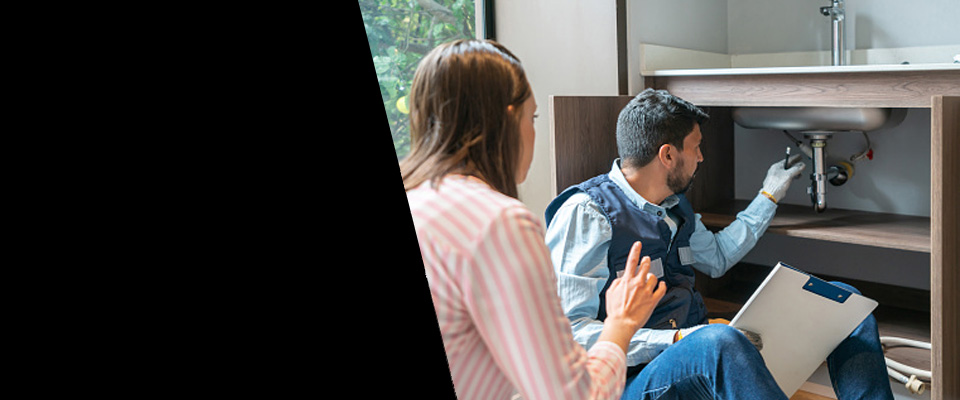
Greywater Recycling Systems Plumbing Services in Steilacoom, WA
Steilacoom Greywater Recycling Systems Company ready now in Pierce County
Greywater Recycling Systems is a sustainable plumbing service that focuses on reusing greywater from household sources from showers, sinks, and laundry for non-potable applications such as landscaping and flushing systems. This environmentally conscious approach reduces water consumption, lowers utility costs, and supports green building initiatives. Proper installation ensures safe operation and regulatory observance
We provide excellent Plumbing services throughout Pierce County. Whether you need help with Greywater Recycling Systems or other issues, our Professionals is ready.

Plumbing Services in Steilacoom, WA
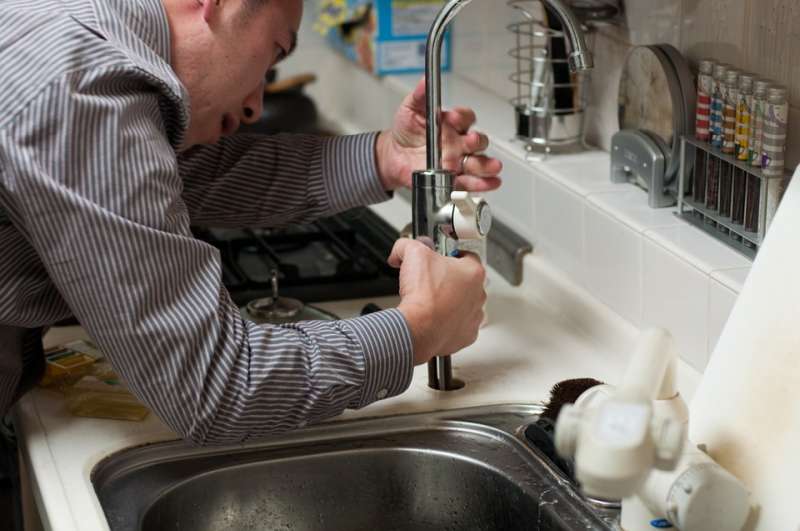
Setting up dishwashing machines, hot water heater (tank and tankless), waste disposal unit, and washing machines.

Guaranteeing backflow avoidance devices are working properly.

Moving or upgrading plumbing systems.

Ensuring plumbing systems satisfy regional guidelines.

Immediate reaction to prevent flooding and water damage.
Clearing obstructions in sinks, toilets, showers, and drain lines.
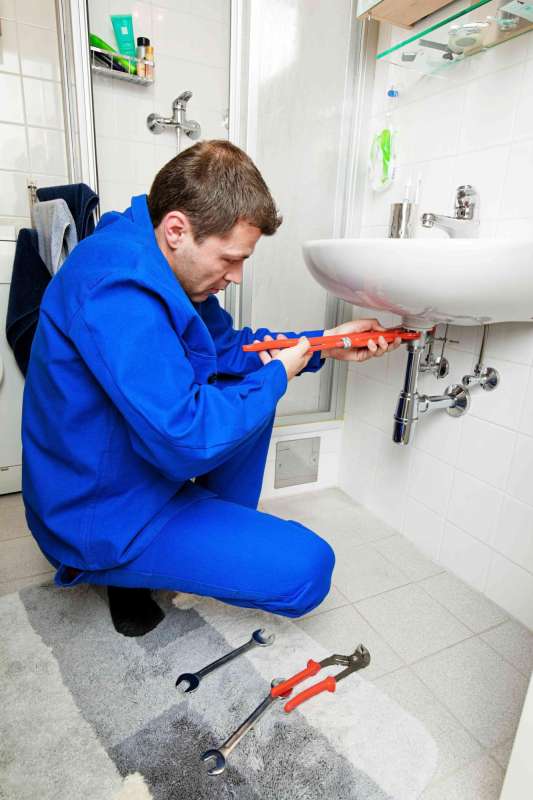
Regular cleaning to prevent clogs and preserve flow.
Repairing malfunctioning faucets, toilets, and other components.
Installation of sinks, faucets, toilets, tubs, and showers.

Emergency detection and repair to prevent hazards.

Fixing gas leakages and making sure correct gas line working.

Setting up systems for recycling home wastewater.

Installing and maintaining radiant flooring heating systems.

Specialized piping for factories or industrial settings.

Setting up and maintaining outdoor watering.

Plumbing systems for new structures or restorations.
Fixing leaks in pipes, faucets, toilets, and appliances.
Quick resolution of serious obstructions and overflows.

Utilizing electronic cameras to check pipelines for damage or blockages.

Repairing or changing burst, worn away, or harmed pipes.
Installing new piping systems for water, gas, and drain.

Examining plumbing systems before purchasing residential or commercial property.
Setting up systems to collect and use rainwater.

Continuous maintenance services for organizations.

Setting up, fixing, and maintaining septic systems.
Managing groundwater in basements.

Installing water-efficient or contemporary components.

Recommending on water-saving methods and items.
Installing water softeners and filtering systems.

Flushing and examining hot water heater to lengthen life-span.
Attending to concerns with temperature level, leakages, or failure to heat water.

Protecting basements or other areas from water intrusion.

Immediate attention to prevent contamination and health dangers.